
Prostate cancer is one of the most common tumours in men, especially over the age of 50. Its main challenge is that, in the early stages, it often does not cause symptoms, which is why many patients only discover it when it has already progressed. For this reason, early detection through appropriate testing and expert interpretation by the medical team is essential to take care of your health and make informed decisions.
Detecting a tumour early can make the difference between a simple treatment and more complex procedures.
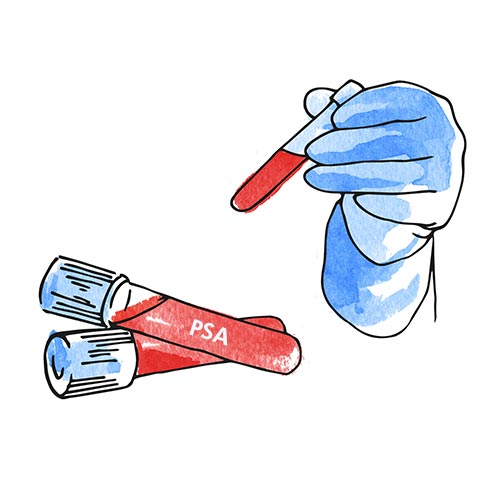
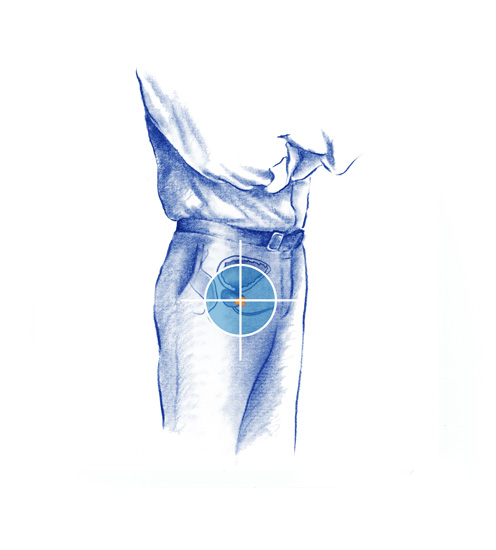
The first step in assessing the prostate is usually a blood test to measure prostate-specific antigen (PSA) and physical examination by digital rectal examination.
An elevated PSA level may indicate abnormalities in the gland, but does not always mean cancer, as inflammation or benign enlargement can also elevate the PSA level. Similarly, digital rectal examination allows the urologist to palpate the prostate and detect changes in its size or texture, although it does not always identify small or deep-seated tumours.
Therefore, these tests serve as an initial reference that may indicate the need for more precise studies.
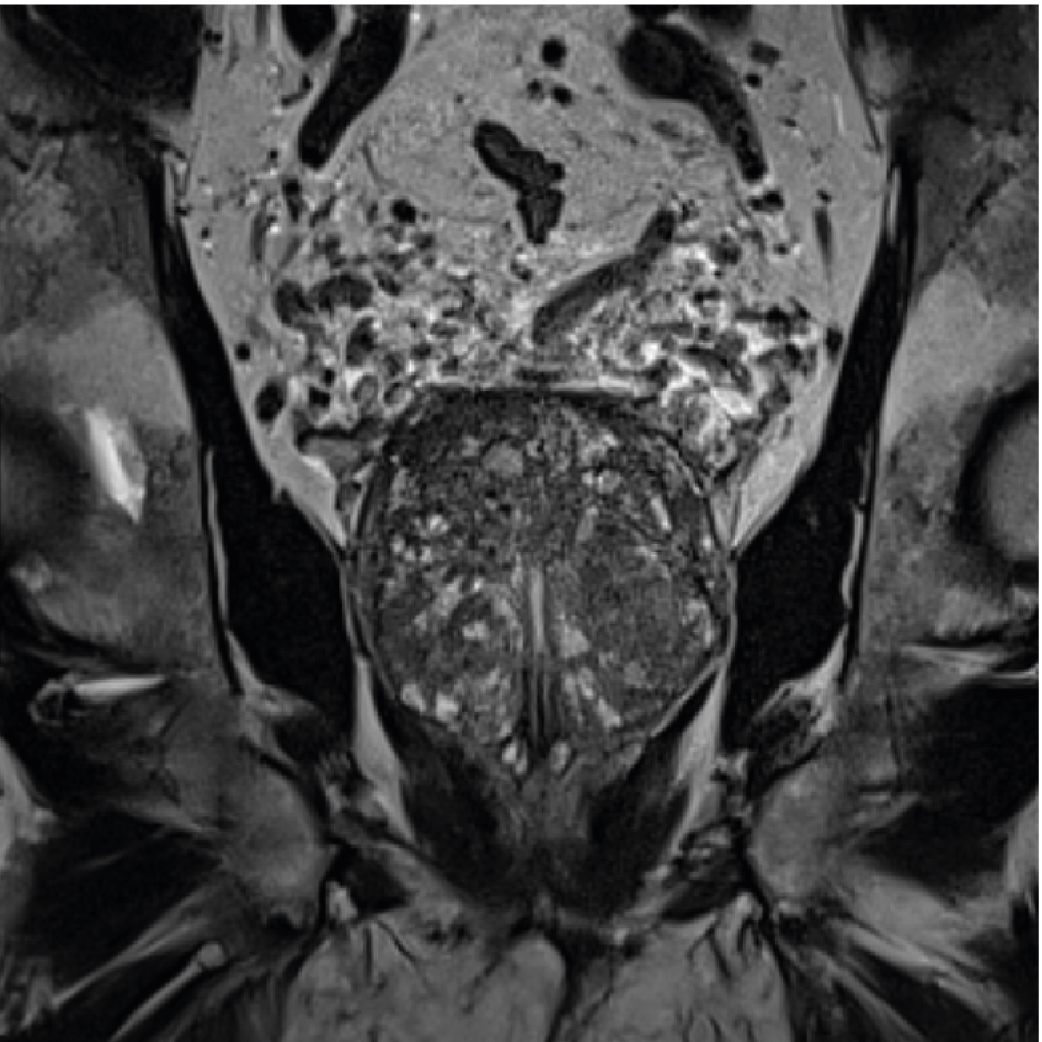
When PSA or digital rectal examination suggest any abnormality, multiparametric MRI of the prostate (mpMRI) is performed. This technique combines high-resolution anatomical images with functional sequences to differentiate normal tissues from those suspected of cancer.
Not only does mpMRI locate potential tumours within the prostate, but it also provides information about their size and characteristics, helping the medical team to decide if a biopsy is necessary and where to perform it.
In addition, if mpMRI does not detect any suspicious lesions, many patients can avoid an unnecessary biopsy, thus minimising the need for invasive procedures.
When the mpMRI identifies a suspicious area, we perform a fusion biopsy, which combines the images obtained from the MRI with real-time ultrasound. This allows the urologist to guide the needle exactly to the area targeted by the MRI, rather than ‘blindly’ or systematically sampling the entire gland. This procedure increases the likelihood of detecting clinically significant tumours and avoids biopsies of normal tissue areas.
During the procedure, the urologist views the MRI and ultrasound overlay on the screen while taking the samples, ensuring an accurate record of the origin of each tissue removed. This high level of precision is key to deciding whether the tumour needs immediate treatment or can be monitored under active surveillance, reducing risks and avoiding side effects.
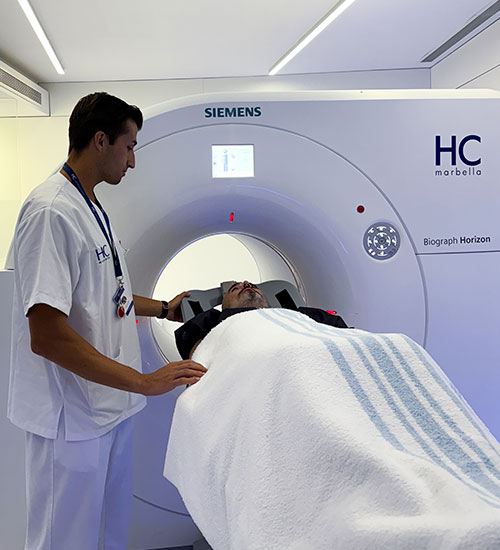
In patients with high-risk tumours or high PSA levels after treatment, nuclear medicine studies are used to determine whether the cancer has spread beyond the prostate.
- PSMA-PET: This detects a specific protein found in prostate tumour cells (PSMA), which allows even very small metastases to be identified in the lymph nodes or bone. It is the most precise technique and currently the preferred method for staging and follow-up.
- Choline PET: This test identifies active tumour cells based on their choline metabolism. Its sensitivity is lower than that of PSMA-PET, but it can be useful in specific cases or when PSMA is not available.
These tests provide additional information to decide whether treatment should be local or systemic.
The interpretation of mpMRI and PET scans requires specialised expertise. The radiologist is the key player who analyses the images, identifies suspicious areas, decides which require biopsy and collaborates with the urologist and oncologist to define the most appropriate treatment plan. As a result, patients can receive a precise diagnosis and personalised approach, deciding in an informed manner whether active treatment is appropriate or whether it is safe to opt for active surveillance in low-risk cases.
Early detection of prostate cancer is essential for effective treatment. At HC Marbella we have a specialised Prostate Unit where a multidisciplinary team of experts work in coordination to offer an accurate diagnosis and a follow-up plan tailored to each patient. Consulting specialists guarantees the best care from the start and helps you make safe decisions about your prostate health.
Protect your prostate health and request an early detection urological check-up at HC Marbella. Our team will support you throughout the entire process, from assessment to follow-up, ensuring the highest quality of care.
November 18, 2025
lesen Sie Nachrichten
Tel.: +34 952 908 628
+34 609 148 799
952908898 Onkologie
951829978 Bildgebende Diagnostik
951829947 Gynäkologie
952908897 Fertilitäts-Zentrum
951829947 Physiotherapie