
COPD and pulmonary emphysema affect millions of people worldwide, causing shortness of breath and limiting daily activities. Recognising symptoms early and accessing innovative treatments can make the difference between living with limitations and regaining control over breathing and quality of life.
Zephyr® endobronchial valves represent a major breakthrough for those living with advanced emphysema. This minimally invasive treatment can release trapped air in the lungs, improve respiratory function and restore energy to perform everyday tasks with greater ease.
COPD is the name for a group of chronic lung diseases that hinder the passage of air through the airways. The main cause is smoking, although exposure to pollutants and family history also play a role.
Over time, the lungs lose elasticity and become inflamed, leading to symptoms such as persistent coughing, shortness of breath, fatigue or limitation in performing daily activities.
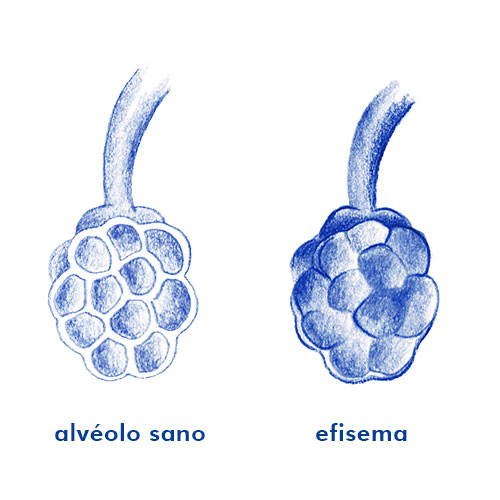
Pulmonary emphysema is an advanced form of COPD in which there is irreversible destruction of the pulmonary alveoli.
This damage reduces the ability of the lungs to exchange oxygen, causing air to become trapped in the lungs. As a result, breathing becomes difficult, and a constant feeling of suffocation develops.
As the disease progresses, simple activities such as dressing, walking or climbing stairs can become exhausting, greatly affecting the quality of life of the patient.
Initial treatment focuses on relieving symptoms and slowing disease progression:
- Inhaled medication (bronchodilators and corticosteroids).
- Oxygen therapy.
- Pulmonary rehabilitation
- Lung volume reduction surgery or lung transplantation in very advanced cases.
However, none of these therapies reverse hyperinflation, which is why many patients continue to experience dyspnoea and exercise intolerance despite optimal treatment.
When symptoms persist despite these treatments, Zephyr® endobronchial valves offer an innovative and effective solution.
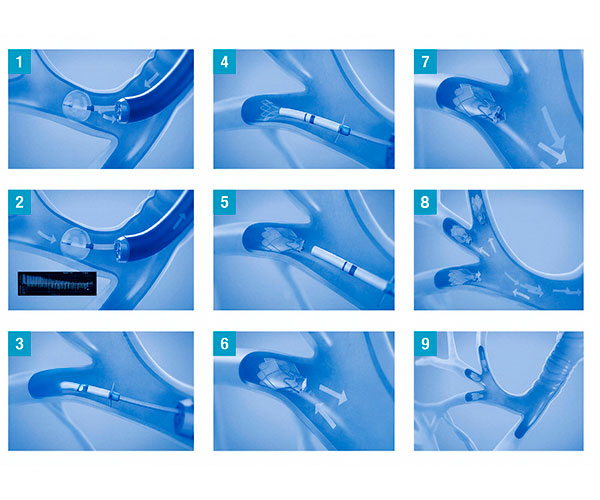
Endobronchial valves are small one-way devices that are placed inside the bronchial tubes by bronchoscopy (an endoscopic technique that does not require open surgery).
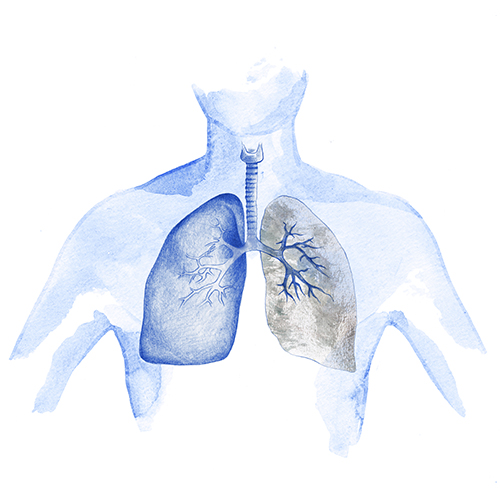
These valves allow trapped air to escape from the most damaged area of the lung, while preventing it from re-entering. In this way, that diseased part of the lung is “deflated”, enabling the rest of the lung—which is healthier—to expand better and work more efficiently.
The placement of the valves is performed under sedation or anaesthesia, using flexible bronchoscopy. No incisions or cuts are required, and the patient usually recovers quickly. Most patients can return home within a few days and begin to notice a gradual improvement in their breathing over the next few weeks.
The result is often a significant improvement in breathing, exertion and quality of life.
Patients report being able to walk more, perform daily activities with less breathlessness and in some cases even reduce the need for oxygen.
Not all patients with COPD or emphysema are suitable candidates.
Endobronchial valve therapy is primarily indicated for:
- Patients with severe pulmonary emphysema confirmed by imaging tests (CT scan).
- Individuals who, after receiving optimal medical treatment and respiratory physiotherapy, continue to experience severe shortness of breath.
- Patients without underlying cardiac or metabolic disease that could account for their symptoms.
Before the procedure, the medical team performs an exhaustive study to assess whether the patient can benefit from the treatment and which area of the lung is best to treat.
For many patients with advanced emphysema, endobronchial valves offer a real alternative to lung transplantation or more invasive surgery.
Thanks to this technique, it is possible to regain autonomy, reduce oxygen dependency and improve the overall sense of well-being.
If you suffer from COPD and feel that your breathlessness persists despite treatment,consult a Respiratory Medicine Specialist: you could be a candidate for this innovative therapy.
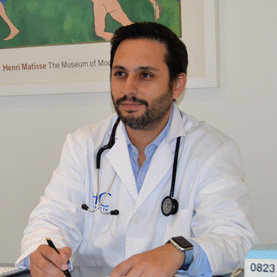
Dr. Ricardo Aguilar
Neumology Specialist
November 19, 2025
Read other news
Tel.: +34 952 908 628
+34 609 148 799
952908898 Oncology
951829978 Diagnosis by imaging
951829947 Gynecology
952908897 Fertility
951829947 Physiotherapy