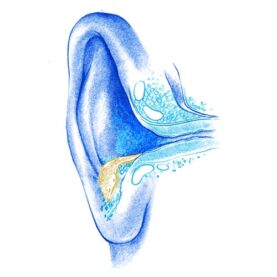
Dr. Hernández Rubiño, Antonio
Otorrinolaringología
Jefe del servicio
Especialista en otología




At present, there are no screening programmes for the early detection of head and neck cancer.
For this reason, close monitoring is recommended for at-risk patients, tobacco and alcohol consumers or those with a family history of the disease.
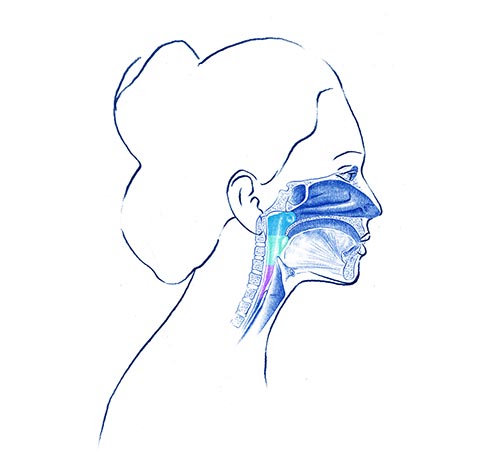
In the larynx and pharynx, one or more of the following symptoms may occur:
In the nose, paranasal sinuses, and nasopharynx (the rear part of the nasal cavity), the following symptoms may occur:
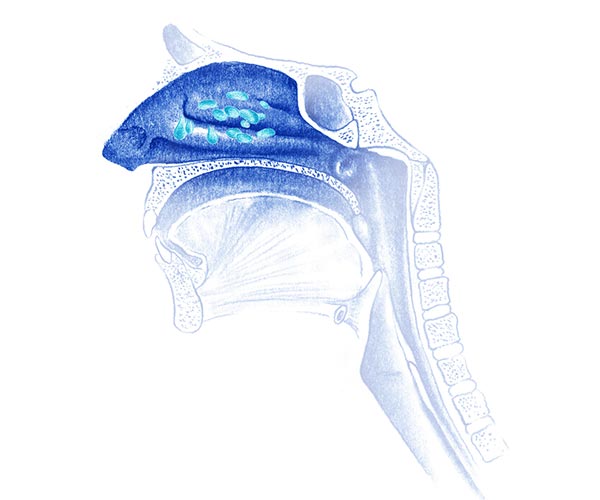
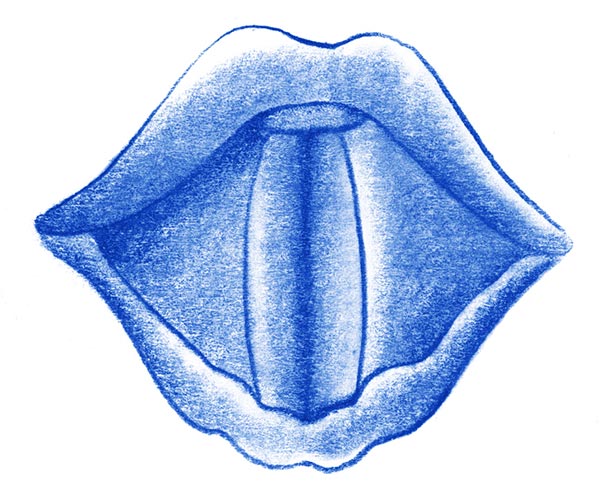
In the mouth, tongue, tonsils, and palate, head and neck cancer may present with the following symptoms:
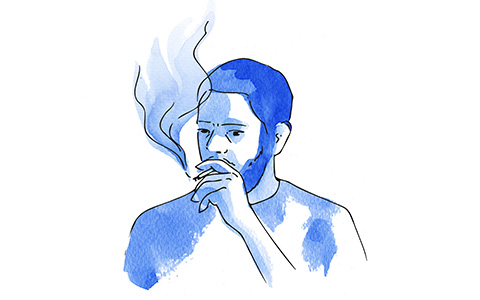
Risk factors most directly related to the development of head and neck cancer include:
Whether smoked (cigarette, pipe or cigar) or chewed, it increases the risk of cancer of the oral cavity, oropharynx, hypopharynx and larynx. There is a correlation with the amount consumed and years of habit.
especially when combined with tobacco, since the use of both substances increases the risk by 20 times compared to non-consumers. Alcohol consumption is implicated in the development of cancers of the larynx, oropharynx, hypopharynx and oral cavity.
Poor oral hygiene is associated with oral cavity cancer. Certain nutritional deficiencies, especially of vitamins A and C, may contribute to the development of oral cavity, laryngeal and pharyngeal cancers. Diets rich in salted meats and fish release substances (nitrosamines) linked to cancer in the paranasal sinuses, nasal cavity and nasopharynx.
Epidemiological data have linked the Epstein-Barr Virus (EBV) to the development of nasopharyngeal carcinoma.
Also, HIV-infected and immunocompromised patients may have an increased incidence of oral cavity carcinoma.
Furthermore, infections with some types of human papillomavirus (HPV) have been shown to increase the risk of oropharyngeal cancer, especially in the tonsils.
Exposure to sunlight has been linked to lower lip cancer in populations with outdoor jobs (such as farmers) and in fair-skinned people.
Workers in the nickel, wood, petroleum, or leather industries have an increased risk of developing paranasal sinus and nasopharyngeal cancer. Inhalation of hydrocarbons in urban areas appears to be associated with increased risk of laryngeal cancer. Exposure to asbestos and lead increases the risk of salivary gland carcinoma.
Population-based studies have shown a three- to eight-fold increased risk of head and neck cancer in individuals with a history in first-degree relatives, implying a genetic susceptibility to its occurrence.
Dr. Hernández Rubiño, Antonio
Otorrinolaringología
Jefe del servicio
Especialista en otología

Dr. Tenor Serrano, Rafael
Otorrinolaringología
Especialista en cabeza y cuello
Apnea del sueño

Dr. Salvatierra Vicario, Belén
ENT
Specialist in endoscopic sinus surgery

Dr. Chiti-Batelli, Sandro
Otorrinolaringología
Especialista en rinoplastia estética y funcional y
cirugía endoscópica de senos paranasales

Dr. Rosas Marqués, Paloma
Audiometrías y pruebas funcionales
Tel.: +34 952 908 628
+34 609 148 799
952908898 Oncology
951829978 Diagnosis by imaging
951829947 Gynecology
952908897 Fertility
951829947 Physiotherapy