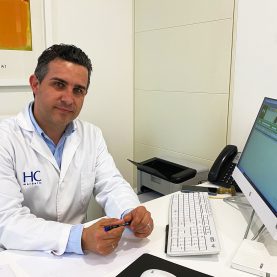
Dr. Hernández Rubiño, Antonio
Otorrinolaringología
Jefe del servicio
Especialista en otología

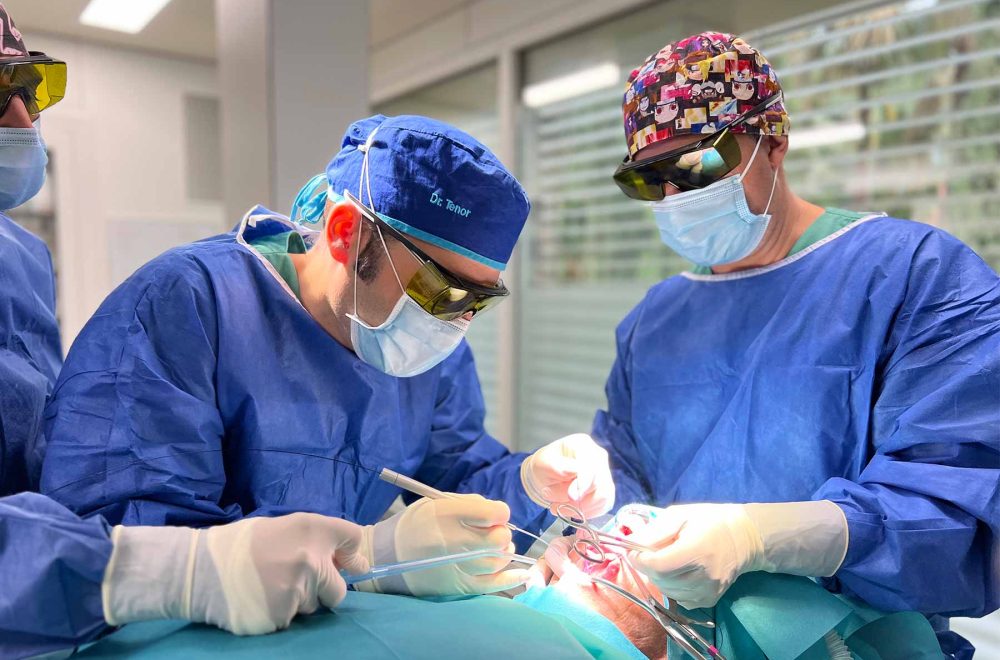
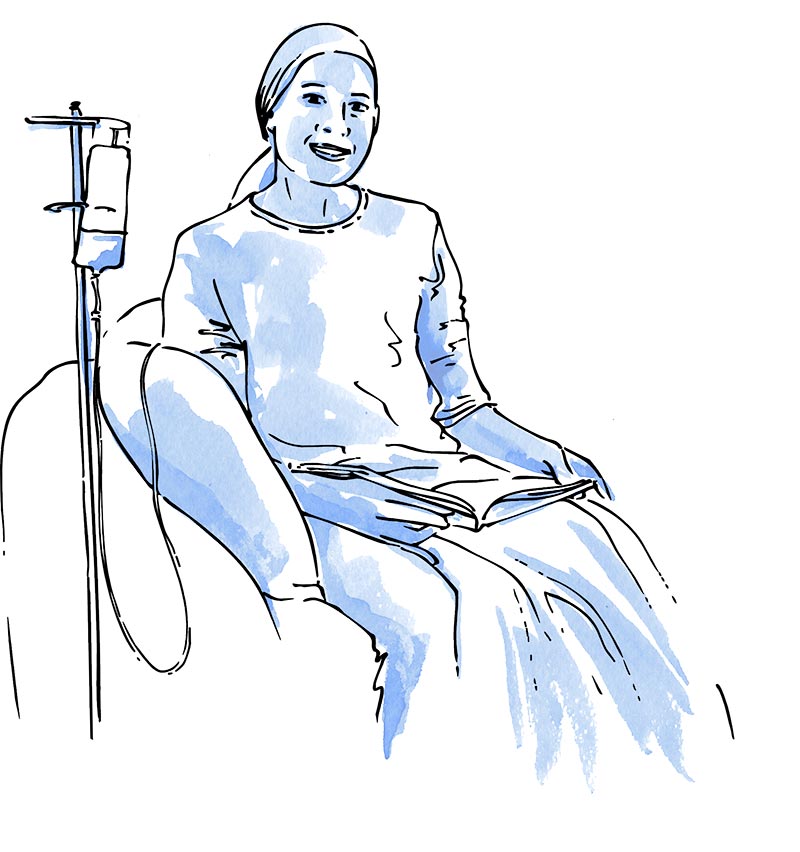
Treatment is carried out jointly with the Oncology Service, which includes chemotherapy and radiotherapy, as well as immunotherapy in selected cases.
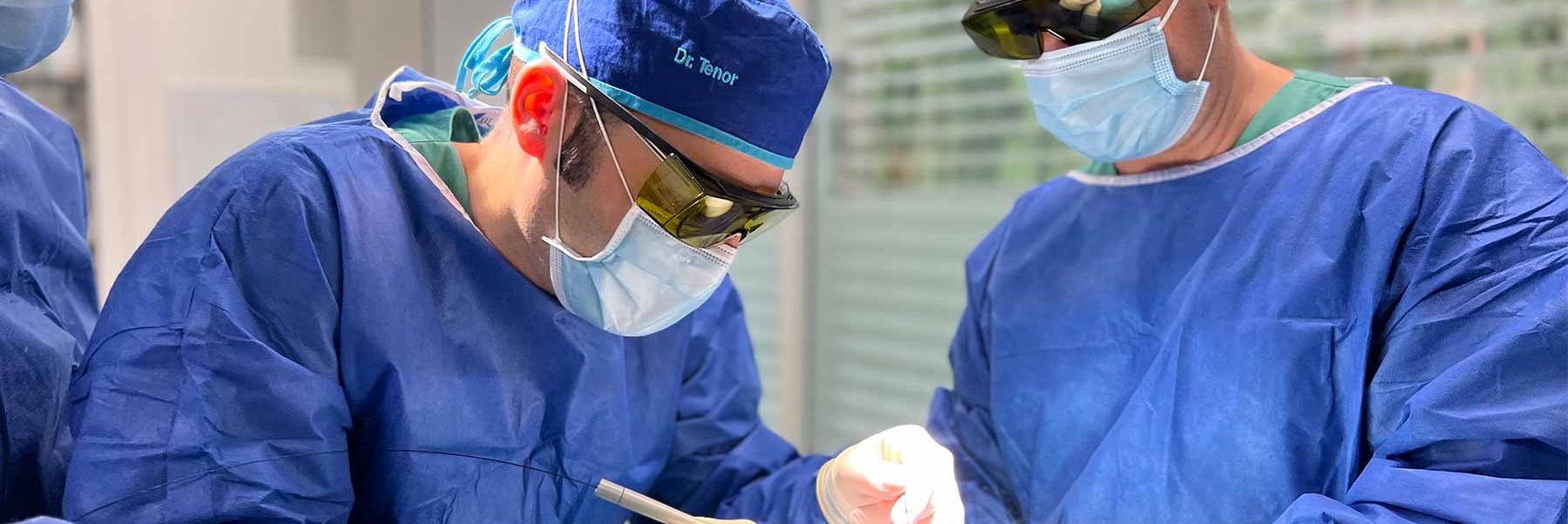
When required, we also offer the option of specialised surgical treatment, including laser surgery.
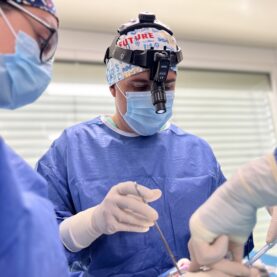
Surgery is the mainstay of treatment for most head and neck tumours that are localised or locally advanced. This approach is often complemented by radiotherapy, chemotherapy and, in some cases, immunotherapy, depending on the tumour stage, tumour type and clinical condition of the patient.
Surgical intervention aims to remove the primary tumour and, in many cases, the regional lymph nodes, in order to control both the main focus and local spread. In some patients, reconstruction with flaps (transplanted tissue) is required after tumour resection to restore anatomy and function, such as swallowing or speech.
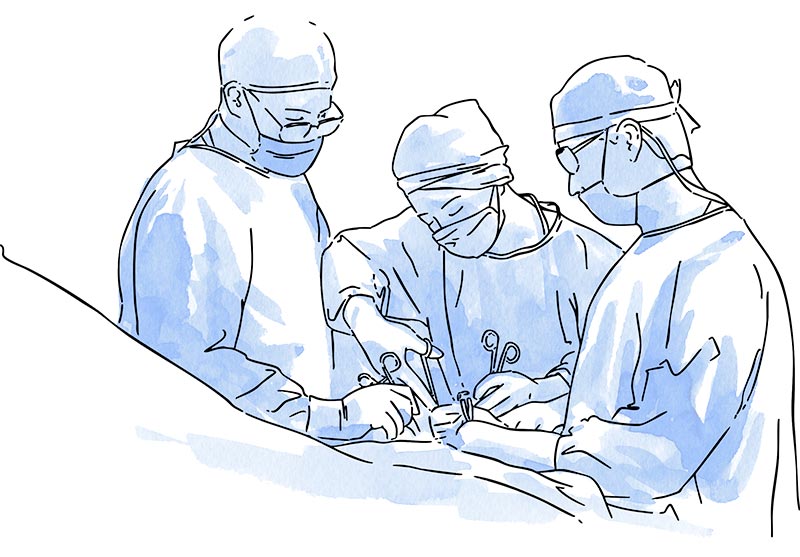
In addition to allowing direct access to the tumour, surgery enables:
- The collection of tissue for biopsies, which helps to better define the prognosis and need for further treatments.
- In certain cases of localised tumours, with free margins and without lymph node involvement, achieving cure without the need for more aggressive treatment.
Due to the complexity of the anatomical area of the head and neck, given its proximity to vital structures (nerves, vessels, swallowing and speech functions), this type of surgery poses a great challenge.
In addition, when the resection is extensive, it can have important functional and aesthetic consequences (difficulty in swallowing, speech or changes in appearance).
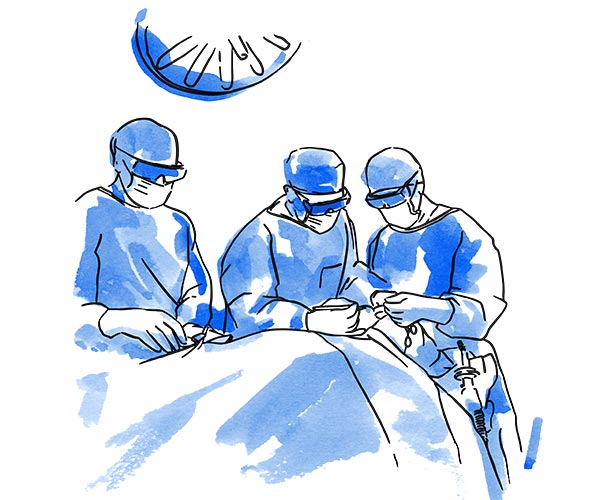
State-of-the-art technology to ensure maximum safety and improved recovery
blue laser is an innovative technology in otorhinolaryngological (ENT) surgery, used to treat conditions in the head and neck, including certain types of early-stage cancers. It is not suitable for advanced or metastatic tumours.
The procedure consists of inserting an endoscope (through the mouth or nose) equipped with the blue laser. The surgeon uses a microscope to visualise the area and directs the laser beam to precisely excise the tumour, without external incisions. This minimises bleeding, reduces thermal damage and preserves vital functions such as speech and swallowing.
This results in less postoperative pain, faster recovery, reduced risk of infection and an improved quality of life.
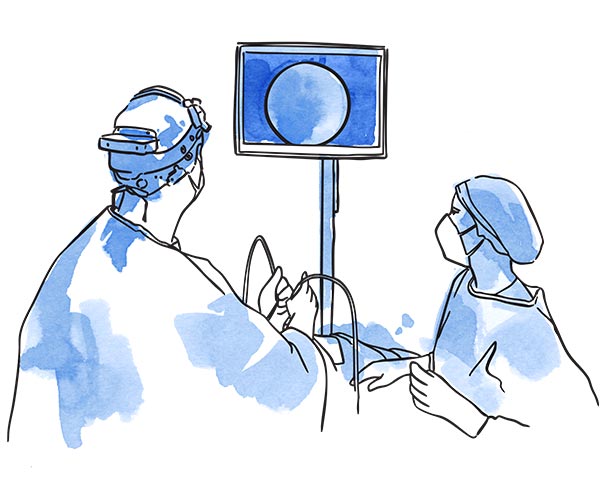
Salivary gland pathologies
In our Otorhinolaryngology (ENT) department we offer comprehensive care for salivary gland pathologies (parotid, submandibular and sublingual), which may present with recurrent inflammation, obstructions due to lithiasis (stones), cysts or tumours.
We perform an accurate diagnosis by means of advanced imaging tests and, when necessary, indicate the most appropriate surgical treatment for each case.
During surgery we use a neurostimulator of the facial nerve, which provides maximum safety to the procedure, protecting the function of the nerve and minimising the risk of complications.
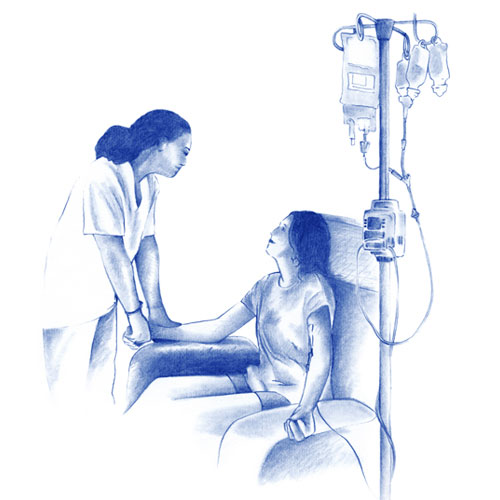
Chemotherapy for head and neck tumours can be administered in the following ways:
Radiotherapy is a fundamental part of the treatment for head and neck cancer. It is used in more than 70% of patients, either alone or in combination with surgery and/or chemotherapy.
It is an essential local treatment in the management of this type of tumour, as it is a non-invasive treatment that allows for the preservation of function in different areas and helps to increase the control of the disease in those cases in which it has not been possible to completely resect the tumour.
Recent technological advances have made radiotherapy an effective and safe treatment with very favourable results and increasingly fewer side effects. In most cases, it allows the patient to maintain their daily routines while receiving treatment.
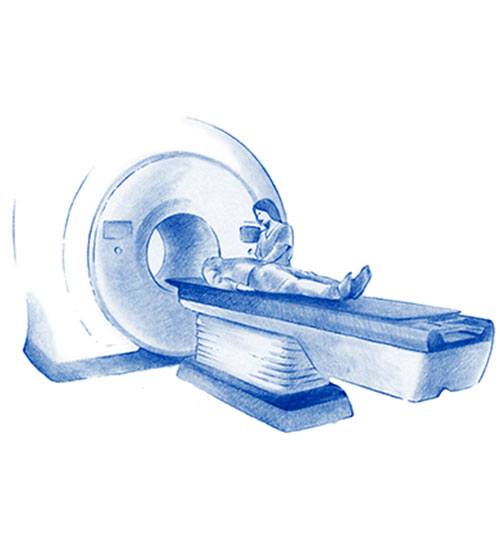
At HC Marbella we have state-of-the-art tomotherapy technology that allows us to adapt the radiation more precisely to the area requiring treatment, reducing to a minimum the exposure of nearby healthy tissues, while guaranteeing the delivery of high radiation doses to the tumour.
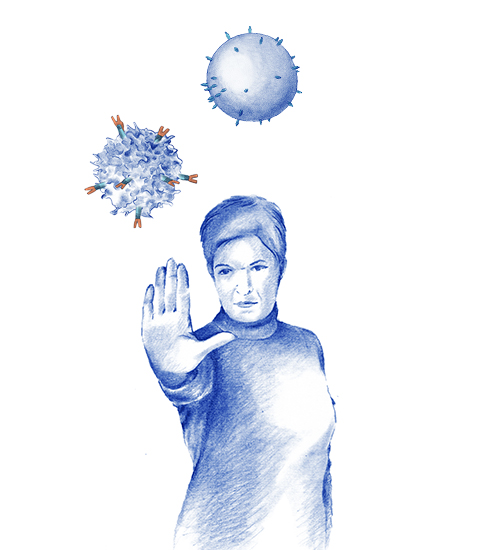
Immunotherapy represents one of the latest advances in the treatment of head and neck tumours. It works by activating the immune system of the patient so that it is the body itself that fights and destroys the cancer cells. It offers great hope in cases where the disease has spread.
Monoclonal antibodies are targeted therapies that have transformed the management of recurrent or metastatic head and neck cancer, and to a lesser extent, locally advanced cancer.
They are intravenously administered drugs that work differently from chemotherapy and can be combined with both radiotherapy and chemotherapy.

At HC Cancer Center we have a Clinical Trials Unit. There is currently one active trial focused on head and neck cancer, which means access to an innovative treatment through our phase III clinical trial. HC Cancer Center is the only centre in Andalusia that offers this study. More information
Dr. Hernández Rubiño, Antonio
Otorrinolaringología
Jefe del servicio
Especialista en otología
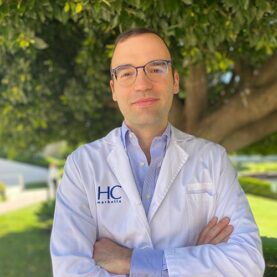
Dr. Tenor Serrano, Rafael
Otorrinolaringología
Especialista en cabeza y cuello
Apnea del sueño

Dr. Salvatierra Vicario, Belén
ENT
Specialist in endoscopic sinus surgery
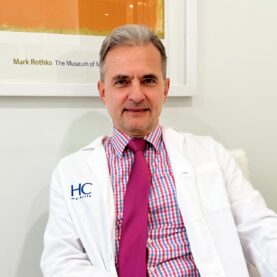
Dr. Chiti-Batelli, Sandro
Otorrinolaringología
Especialista en rinoplastia estética y funcional y
cirugía endoscópica de senos paranasales
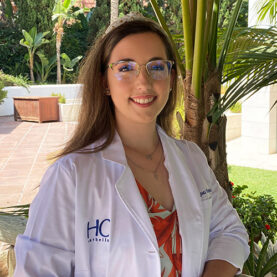
Dr. Rosas Marqués, Paloma
Audiometrías y pruebas funcionales
Tel.: +34 952 908 628
+34 609 148 799
952908898 Oncology
951829978 Diagnosis by imaging
951829947 Gynecology
952908897 Fertility
951829947 Physiotherapy