

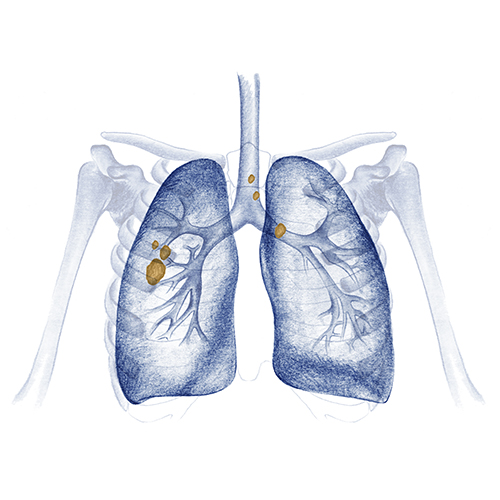
Dr José Manuel Trigo, Director of Oncology, Research and Innovation at HC Marbella and a specialist in lung cancer, explains how molecular diagnostics, immunotherapy and targeted therapies are changing the treatment and prognosis of the disease.
The treatment of lung cancer has changed significantly in recent years. Whereas patients with the same type of tumour previously received similar treatments, we now know that two cases of lung cancer can be very different at a molecular level and, therefore, require different treatments.
We are in a new era of lung cancer care, in which we treat patients in a much more personalised way based on the characteristics of each tumour.
Dr José Manuel Trigo
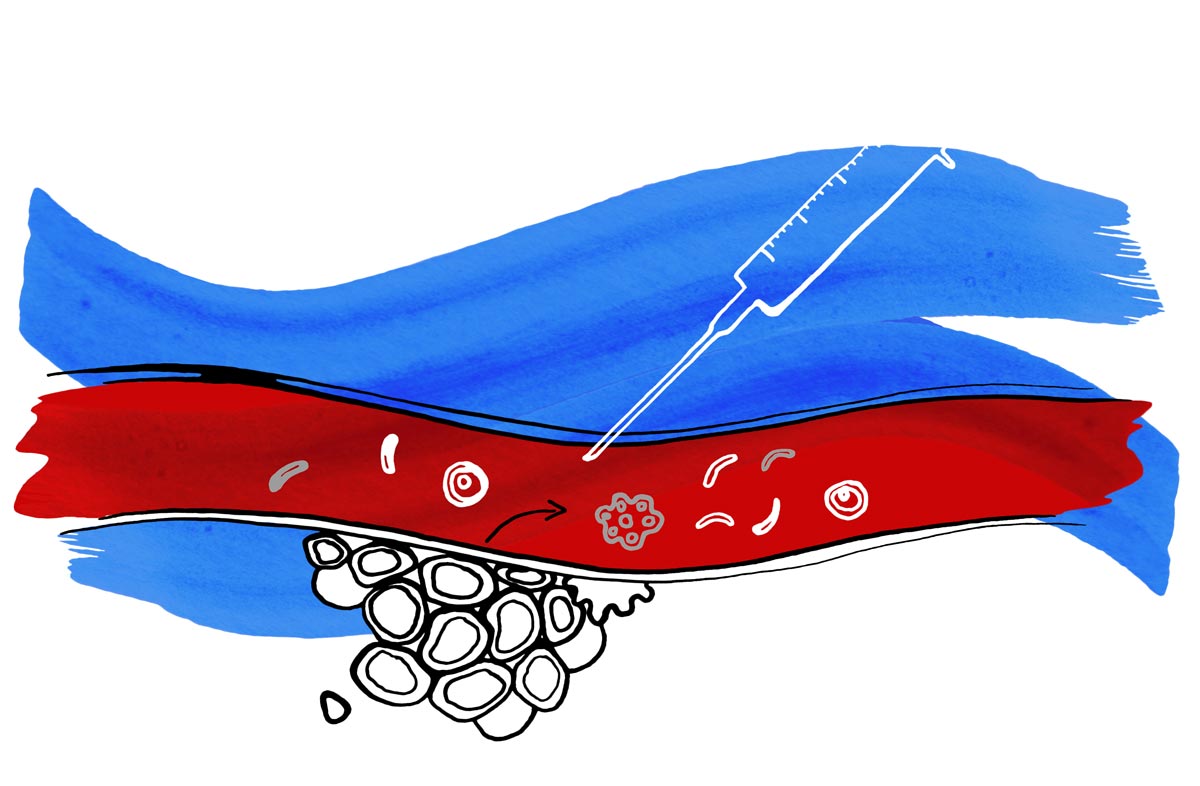
In order to personalise treatment, it is essential to carry out an appropriate molecular diagnosis. Through specific tests and tumour sequencing, it is possible to identify which genes are altered. Some of these alterations can become targets for specific treatments.
Without a molecular diagnosis, we cannot identify the patient’s specific alteration and, consequently, we cannot personalise treatment.
Dr José Manuel Trigo
Furthermore, our knowledge in this field is advancing rapidly. New therapeutic targets are emerging, while increasingly effective drugs are being developed to target previously known alterations. For this reason, the specialist stresses, it is important to carry out a sufficiently comprehensive molecular profiling.
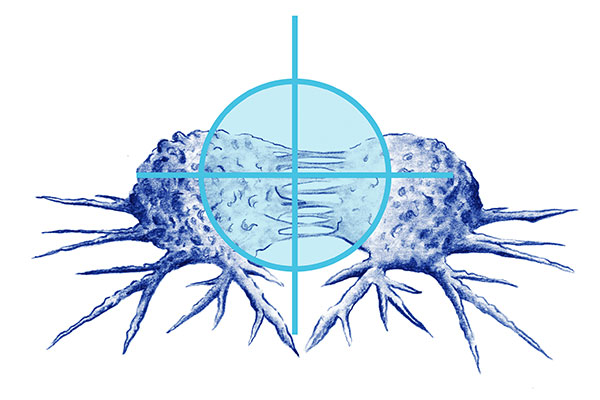
Alongside molecular diagnosis, two of the major advances in the treatment of lung cancer have been targeted therapies and immunotherapy. Targeted therapies act on specific alterations in the tumour, whereas immunotherapy stimulates the immune system to help it recognise and fight cancer cells.
According to Dr Trigo, these treatments have brought two particularly important benefits: improving overall survival and reducing side effects, as they allow for more tumour-specific treatments.
In some patients, we have even been able to avoid chemotherapy. Not only have we managed to prolong their survival, but we have also improved their quality of life.
Dr José Manuel Trigo
These developments are not limited to the treatment of advanced lung cancer. In patients with localised tumours that can be treated surgically, certain treatments can be administered post-surgery to increase the chances of a cure. In other cases, these therapies are used prior to surgery, aiming to make the operation significantly more effective in completely eliminating the tumour.
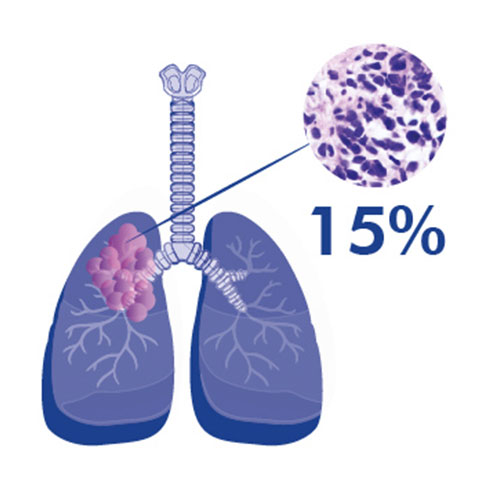
Small-cell lung cancer is particularly aggressive, as it tends to grow rapidly and many patients are diagnosed when the disease is already at an advanced stage. However, new treatment options are also emerging for this type of cancer.
Dr Trigo highlights bispecific antibodies, a type of immunotherapy capable of simultaneously binding to a protein on the tumour and to lymphocytes within the immune system, thereby helping the body’s defences to target the cancer directly. One such treatment is tarlatamab, which targets DLL3. The specialist considers this to be “a major breakthrough in advanced small-cell lung cancer”.
Research is also being conducted into so-called antibody-drug conjugates, designed to recognise specific alterations in the tumour and deliver chemotherapy molecules to them. As Dr Trigo explains, some of these treatments are showing very promising results.
Advances have also been made in localised small-cell cancer. These patients usually receive chemotherapy and radiotherapy followed, in certain cases, by maintenance immunotherapy with durvalumab, which has been shown to deliver a significant survival benefit.
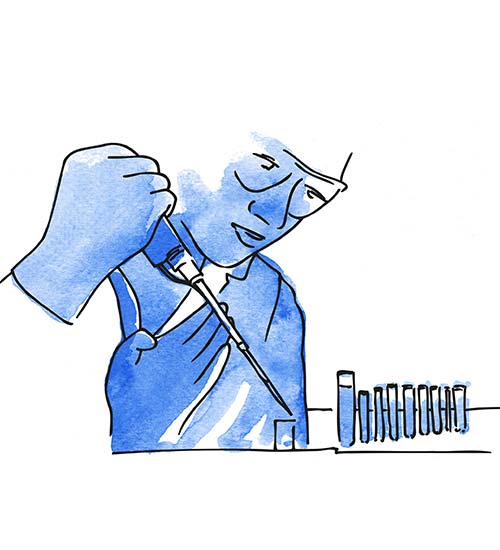
For Dr Trigo, there is another particularly important message: taking part in a clinical trial does not mean that all treatment options have been exhausted.
We do not have to wait until standard treatment stops working for a patient before enrolling them in a clinical trial. In many cases, trials are first-line treatment options for patients.
Dr José Manuel Trigo
HC Marbella currently has two open clinical trials for lung cancer: one in the second-line setting, focusing on a therapeutic vaccine, and another in the first-line setting, which compares standard immunotherapy with that same immunotherapy combined with a bispecific antibody that acts on a different mechanism. Clinical research enables the study of new ways to treat lung cancer and offers new alternatives at different stages of the disease.
Lung cancer has traditionally been associated with high mortality rates. However, advances in recent years are changing this reality.
Today we have patients with metastatic disease whose tumours have disappeared, achieving sustained remission for many years. We do not yet know whether some of these patients are cured; only time will tell.
Dr José Manuel Trigo
Immunotherapy and targeted therapies are making it possible to prolong survival and, in many cases, keep the disease under control for years.
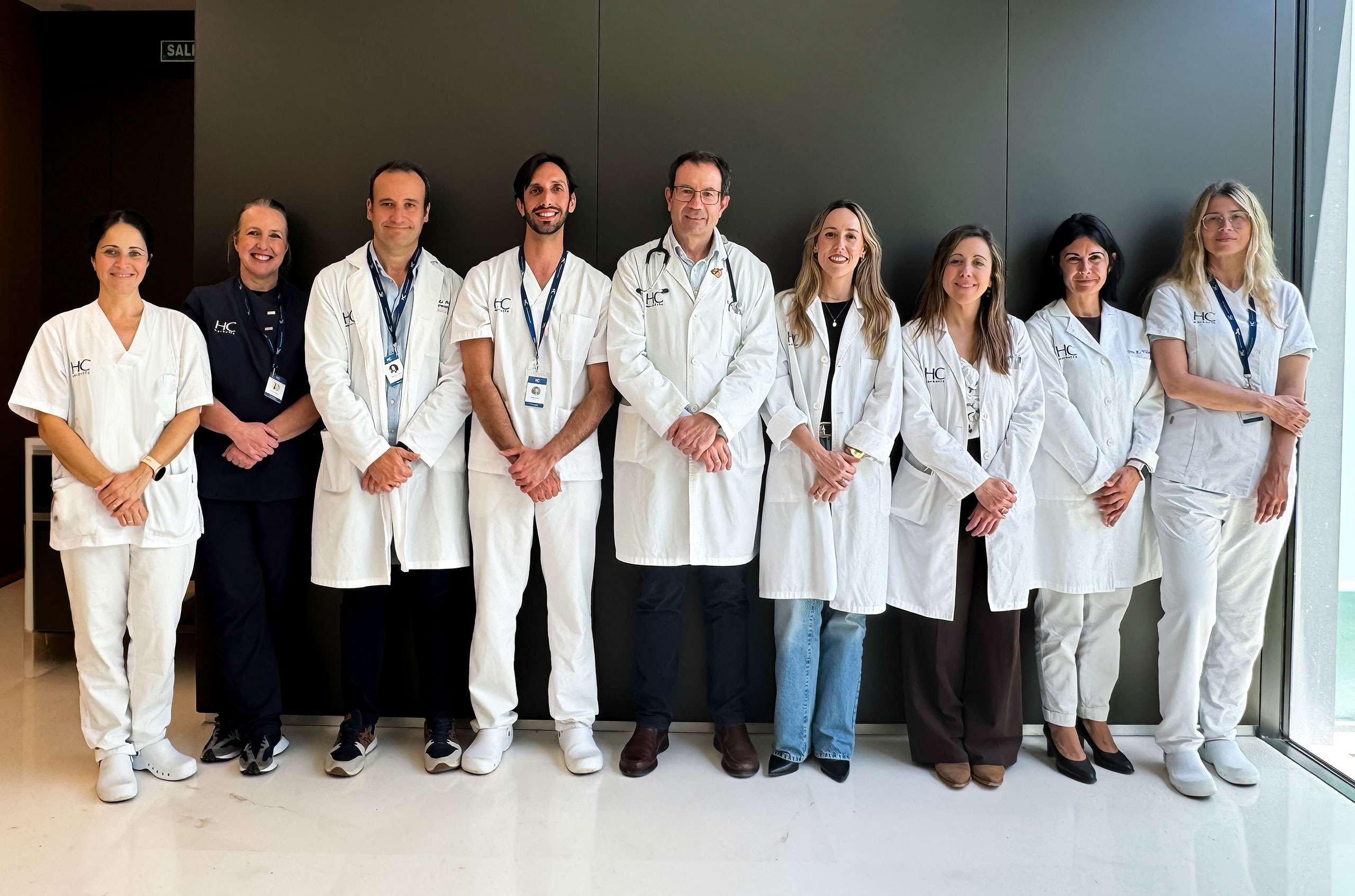
To fully benefit from these advances, Dr Trigo emphasises the importance of carrying out a comprehensive assessment of the patient, including an accurate diagnosis, appropriate molecular profiling and consideration of clinical trial participation. In this regard, attending specialised lung cancer units ensures that each case is assessed by experienced multidisciplinary teams and that the patient has access to the full range of available treatment options.
Every lung cancer has distinct characteristics. Understanding them is now one of the key factors in offering each patient the most appropriate treatment.
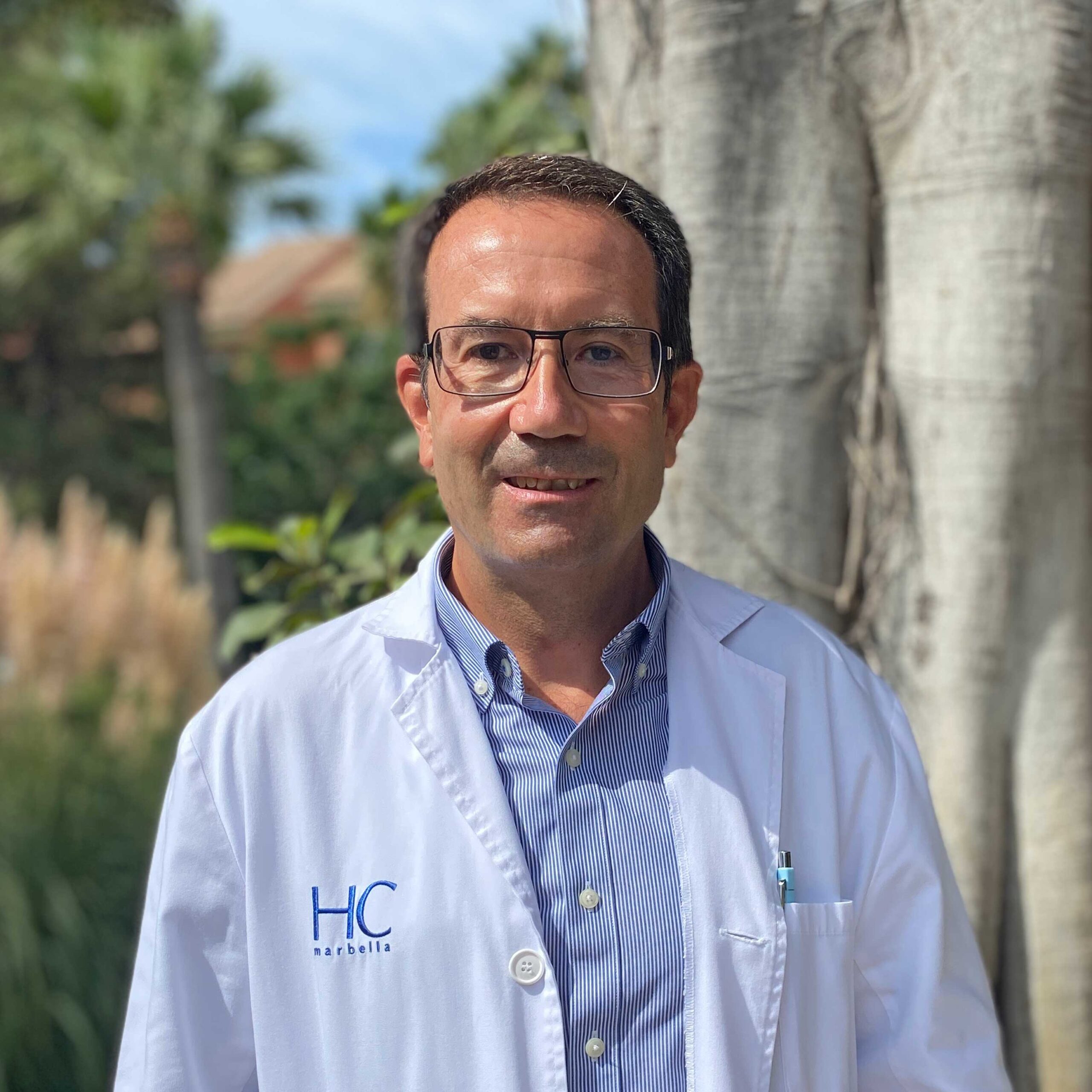
Dr José Manuel Trigo
Director of Oncology, Research and Innovation · Specialist in lung cancer.
September 10, 2026
Read other news
Tel.: +34 952 908 628
+34 609 148 799
952908898 Oncology
951829978 Diagnosis by imaging
951829947 Gynecology
952908897 Fertility
951829947 Physiotherapy


